Médias por categoria
Sua avaliação
Entre para avaliarEm outros sites
Notas de outros sites pertencem a eles; cada link abre a fonte.
Sinopse
Ainda não disponível em português — exibindo a versão em inglês.
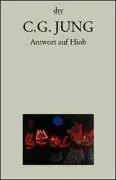
Answer to Job (German: Antwort auf Hiob) is a 1952 book by Carl Jung that addresses the significance of the Book of Job to the "divine drama" of Christianity. It argues that though he submitted to Yahweh's omnipotence, Job nevertheless proved to be more moral and conscious than God, who was incited by Satan to torment Job without justification. This scandal necessitated God to become united with man. Satan was banished from heaven, and God incarnated as purely good through a virgin birth, into the sinless redeemer Jesus Christ. Eventually, however, God will also incarnate his evil side. For this to happen, the Holy Spirit left by Christ on earth has to enter "empirical" and sinful human beings, in whom the divine can be realized completely. Jung turns to the Book of Ezekiel, the Book of Enoch, and especially the Book of Revelation to consider how this may unfold. He suggests that the contemporary modern era, in which humanity possesses immense technological power, is significant to this second divine birth. He interprets the 1950 papal dogma of the Assumption of Mary as easing this transition toward completeness by re-emphasizing the feminine dimension of God. The book was first published in English in 1954. It has been criticized, admired, and highlighted as a major work by figures such as author Joyce Carol Oates and theologian John Shelby Spong.
Licença do texto: CC BY-SA 4.0 · Fonte
Detalhes
- Tipo
- Livro
- Lançamento
- 1 de janeiro de 1952
- Gêneros
- non-fiction literature
- Criado por
- Carl Jung