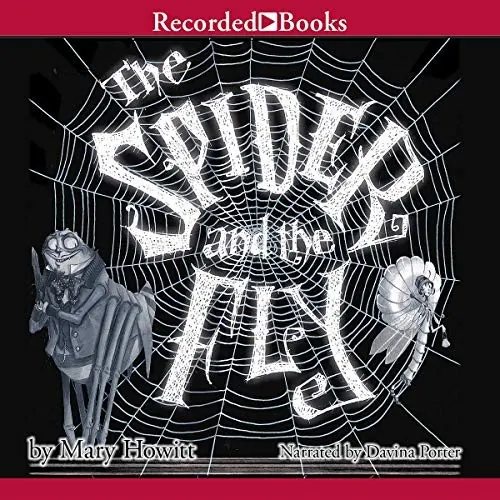
The Spider and the Fly
Nota da comunidade
10 avaliações
1828 · Mary Howitt
Médias por categoria
Sua avaliação
Entre para avaliarEm outros sites
Notas de outros sites pertencem a eles; cada link abre a fonte.
Sinopse
Ainda não disponível em português — exibindo a versão em inglês.
"The Spider and the Fly" is a poem by Mary Howitt (1799–1888), published in 1828. The first line of the poem is "'Will you walk into my parlour?' said the Spider to the Fly." The story tells of a cunning spider who entraps a fly into its web through the use of seduction and manipulation. The poem is a cautionary tale against those who use flattery and charm to disguise their true intentions. The poem was published with the subtitle "A new Version of an old Story" in The New Year’s Gift and Juvenile Souvenir, which has a publication year of 1829 on its title page but, as the title would suggest, was released before New Year’s Day and was reviewed in magazines as early as October 1828. The opening line is one of the most recognized and quoted first lines in all of English verse. Often misquoted as "Step into my parlour" or "Come into my parlour", it has become an aphorism, often used to indicate a false offer of help or friendship that is in fact a trap. The line has been used and parodied numerous times in various works of fiction. When Lewis Carroll was rewriting Alice's Adventures Under Ground for publication as Alice's Adventures in Wonderland, he replaced a negro minstrel song with "The Mock Turtle's Song" (also known as the "Lobster Quadrille"), a parody of Howitt's poem that mimics the meter and rhyme scheme and parodies the first line, but not the subject matter, of the original. This poem is often associated with gothic literature, exploring themes of seduction and manipulation. Howitt uses these themes combined with a child friendly allegory to portray predator vs prey.
Licença do texto: CC BY-SA 4.0 · Fonte
Detalhes
- Tipo
- Livro
- Lançamento
- 1 de outubro de 1828
- Gêneros
- cautionary tale
- Criado por
- Mary Howitt
- Países
- United Kingdom of Great Britain and Ireland