Médias por categoria
Sua avaliação
Entre para avaliarSinopse
Ainda não disponível em português — exibindo a versão em inglês.
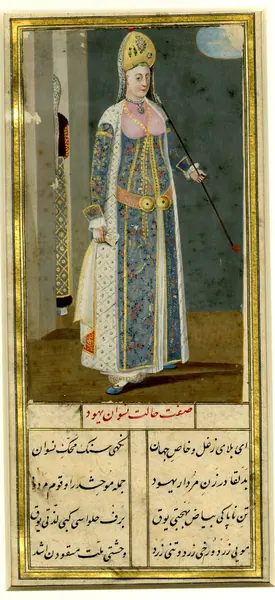
The Zennanname (pronounced [zeˈnan.naːme], Ottoman Turkish: زناننامه, lit. 'Book of Women') is a long form poem by Enderûnlu Fâzıl, completed in 1793. It categorizes and describes the positive and negative attributes of women from across the Ottoman Empire and the world according to their places of origin, in a masnavi form long poem in the Ottoman Dîvân tradition. In the end of the Zenanname, Fâzıl writes not just the positive and negatives, but satirical and moralistic qualities of the women in the world. The Zenanname is tied with other Ottoman literature known as the bahname, the book of libido/intercourse, that contained stories and scientific substance that reflect approaches and to gender and sexuality. Zenanname is a sequel to the Hubanname (1792-3), an equivalent work on young men by the same author. Both works are in the şehrengiz (lit. 'city-mover' or 'city-exciter') style of the masnavi, a typology of poems describing the beauties of a city. The work was translated into various European languages in the late 19th century, beginning with Jean-Adolphe Decourdemanche's 1879 French translation as the Livre des Femmes. E. J. W. Gibb, among the first and most notable translators of Ottoman poetry into English, included verses from the Zennanname in his extensive six-volume survey, A History of Ottoman Poetry. One such translation is as follows:
Licença do texto: CC BY-SA 4.0 · Fonte
Detalhes
- Tipo
- Livro
- Lançamento
- 1 de janeiro de 1837
- Gêneros
- şehrengiz
- Criado por
- Enderûnlu Fâzıl
- Países
- Ottoman Empire
Capa: Wikimedia Commons · Unknown · Public domain · Fonte
