Mullaippāṭṭu
Nota de la comunidad
8 valoraciones
Promedios por categoría
Tu valoración
Inicia sesión para valorarSinopsis
Aún no disponible en español — se muestra la versión en inglés.
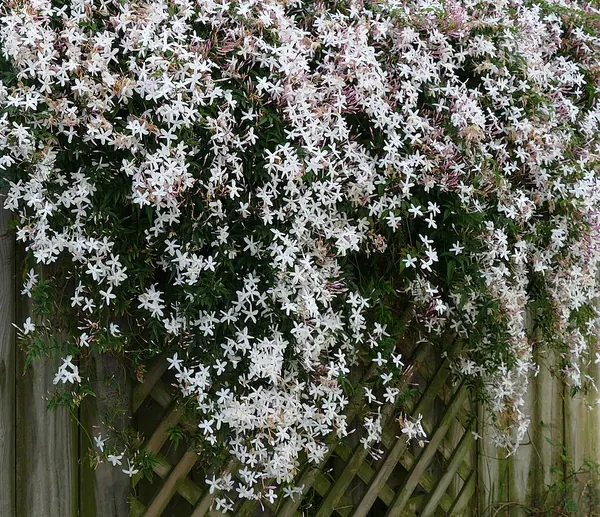
Mullaippāṭṭu (Tamil: முல்லைப்பாட்டு, lit. 'the forest or jungle song') is an ancient Tamil poem in the Sangam literature. Authored by Napputanar, it is the shortest poem in the Ten Idylls (Pattuppāṭṭu) anthology, consisting of 103 lines in akaval meter. It is largely an akam-genre (love) poem about a wife in grief when her husband does not return from the war front, when he promised he will. The Mullaippattu weaves her sorrow with her attempts at patience and self-control. The poem was likely composed about 230 CE or slightly later, according to Kamil Zvelebil – a Tamil literature scholar. The title of the poem Mullaippattu refers to the creeper mullai (jasmine) that carries sweet-smelling flowers in the jungles of South India, states Chelliah. It metonymically connotes the jungle home and sweet wife a warrior chieftain left when he went on his military campaign. He promised to return before the rains. The rains have come, are falling abundantly, but neither has her husband returned nor a word about him has come. She is worried and in grief. She and her maids proceed to a Vaishnavite temple (A Temple with Lakshmi and Vishnu) and Pray for his return and make offerings. They seek omens and words of guess. She tries to be patient but can hide her sorrow. The poem alternates lines painting her in her cycles of emotions. Then, she hears the trumpeting approach of victorious troupes, signaling the return of her husband. She is filled with joy. The poem is "one of the most beautiful of the Pattuppattu songs, states Zvelebil. The akam portions of the poem paint the lover's anguish, while the puram portions describe the temporary military camp of the chieftain in the jungle. The chieftain is reflecting on the loss of life, the injured soldiers and the crippled elephants in previous military campaigns. His wife is worried about him. The two portions – akam and puram – are woven together in the form of a mattu (linking) for a contrasting impact. The 14th-century scholar Naccinarkkiniyar wrote a commentary on this poem.
Licencia del texto: CC BY-SA 4.0 · Fuente
Detalles
- Tipo
- Libro
Portada: Wikimedia Commons · Jim Evans · CC BY-SA 4.0 · Fuente
