Plain Tales from the Hills
Nota de la comunidad
8 valoraciones
1888 · Rudyard Kipling
Promedios por categoría
Tu valoración
Inicia sesión para valorarEn otros sitios
Las notas de otros sitios les pertenecen; cada enlace abre la fuente.
Sinopsis
Aún no disponible en español — se muestra la versión en inglés.
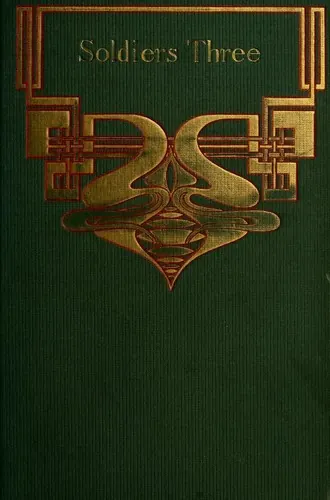
Plain Tales from the Hills (published 1888) is the first collection of short stories by Rudyard Kipling. Out of its 40 stories, "eight-and-twenty", according to Kipling's Preface, were initially published in the Civil and Military Gazette in Lahore, Punjab, British India between November 1886 and June 1887. "The remaining tales are, more or less, new." (Kipling had worked as a journalist for the CMG—his first job—since 1882, when he was not quite 17.) The title refers, by way of a pun on "Plain" as the reverse of "Hills", to the deceptively simple narrative style; and to the fact that many of the stories are set in the Hill Station of Simla—the "summer capital of the British Raj" during the hot weather. Not all of the stories are, in fact, about life in "the Hills": Kipling gives sketches of many aspects of life in British India. The tales include the first appearances, in book form, of Mrs. Hauksbee, the policeman Strickland, and the Soldiers Three (Privates Mulvaney, Ortheris and Learoyd). In the preface to his short stories collection "Dr. Brodie's Report", Jorge Luis Borges wrote he was inspired by the quality and concision of Plain Tales from the Hills.
Licencia del texto: CC BY-SA 4.0 · Fuente
Detalles
- Tipo
- Libro
- Estreno
- 1 de enero de 1888
- Creado por
- Rudyard Kipling
- Países
- British Raj