Promedios por categoría
Tu valoración
Inicia sesión para valorarSinopsis
Aún no disponible en español — se muestra la versión en inglés.
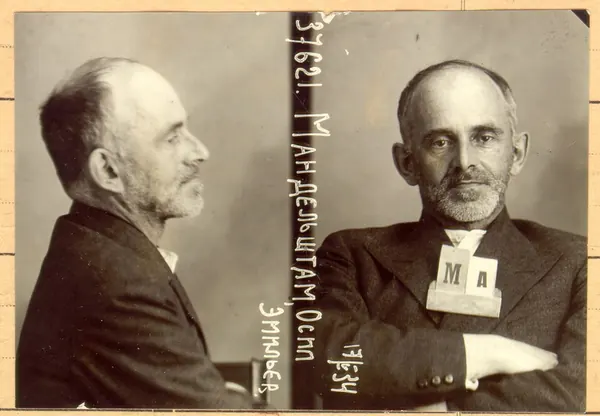
The "Stalin Epigram", also known as "The Kremlin Highlander" (Russian: Кремлёвский горец) is a poem by the Russian poet Osip Mandelstam, written in November 1933. The poem describes the climate of fear in the Soviet Union. Mandelstam read the poem only to a few friends, including Boris Pasternak and Anna Akhmatova. The poem played a role in his own arrest and the arrests of Akhmatova's son and husband, Lev Gumilev and Nikolay Punin. The poem was almost the first case Genrikh Yagoda dealt with after becoming NKVD boss. Nikolai Bukharin visited Yagoda to intercede for Mandelstam, unaware of the nature of his "offense". According to Mandelstam's widow Nadezhda: "Yagoda liked M.'s poem so much that he even learned it by heart – he recited it to Bukharin – but he would not have hesitated to destroy the whole of literature, past, present and future, if he had thought it to his advantage. For people of this extraordinary type, human blood is like water." The phrase "Ossetian torso" in the final line refers to the possible Ossetian ethnicity of Stalin's paternal grandfather.
Licencia del texto: CC BY-SA 4.0 · Fuente
Detalles
- Tipo
- Libro
- Estreno
- 1 de noviembre de 1933
- Géneros
- epigram
- Creado por
- Osip Mandelstam
Portada: Wikimedia Commons · ОГПУ при СНК СССР · Public domain · Fuente
