The Abandoned Baobab
Nota de la comunidad
5 valoraciones
1982 · Ken Bugul
Promedios por categoría
Tu valoración
Inicia sesión para valorarEn otros sitios
Las notas de otros sitios les pertenecen; cada enlace abre la fuente.
Sinopsis
Aún no disponible en español — se muestra la versión en inglés.
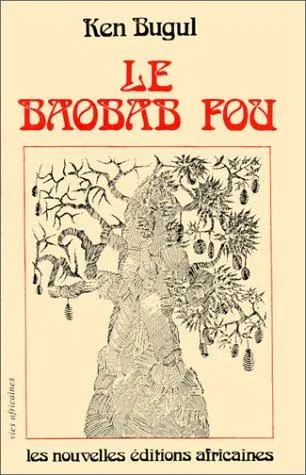
The Abandoned Baobab is a book written by Ken Bugul, the pen name of Senagelese novelist Mariètou Mbaye Biléoma. The book was originally published in French in 1982 as Le Baobab Fou and was translated in English in 1991, published by Lawrence Hill Books. The book is written from the perspective of a Senegalese woman living in diaspora, and is largely biographical, using a blend of fiction and biography to explore the effects of post-colonialism on the lives of Senegalese women. The review in Publishers Weekly characterised The Abandoned Baobab as "a wise, stirring, fresh and lyrical account, superbly translated," that "describes the pain and confusion of growing up in a West African country where residual French colonial influences disrupt her family life and make her feel a stranger among her own people." The novel begins and ends with the baobab tree, which is of great symbolic importance in the novel. Of Bugul's use of the baobab tree, Shirin Edwin writes: "The baobab tree, born from the seed planted long ago by a little boy, symbolizes nature, growth, and prosperity as it sustains life and as its protective shade nourishes this small village of Ndoucoumane. This relatively short account in "Ken's Prehistory" puts in perspective the main theme in the form of the baobab tree that does not perish in the fire and whose roots stand for tradition and custom that run deep and strong in this small African village."
Licencia del texto: CC BY-SA 4.0 · Fuente
Detalles
- Tipo
- Libro
- Estreno
- 1 de enero de 1982
- Creado por
- Ken Bugul