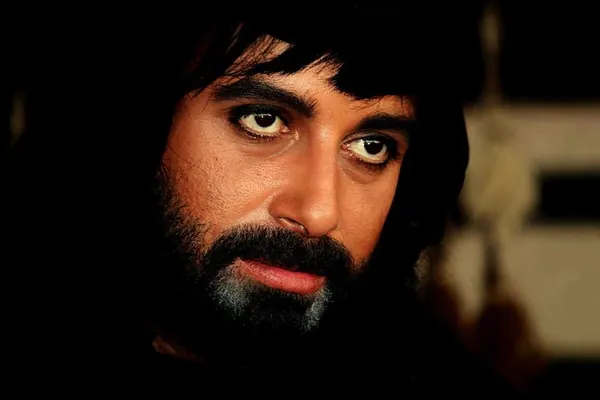
Muawiya, Hassan and Hussein
Nota de la comunidad
10 valoraciones
2011
Promedios por categoría
Tu valoración
Inicia sesión para valorarEn otros sitios
Las notas de otros sitios les pertenecen; cada enlace abre la fuente.
Sinopsis
Aún no disponible en español — se muestra la versión en inglés.
Mu'awiya, al-Hasan wa al-Husayn (Arabic: معاوية والحسن والحسين, lit. 'Mu'awiya, Hasan and Husayn') is a 2011 Arab television drama series based on the lives of Hasan ibn Ali and Husayn Ibn Ali, the two grandsons of the Islamic prophet Muhammad, and their relationship with their companions and sedition that occurred between them and their companions after the killing of Uthman ibn Affan. It shows alleged Jewish conspiracies through the personality of Abdullah bin Saba, and his role in stirring sedition. The series is a co-production among Qatari, Syrian, Kuwaiti, Moroccan and Jordanian elements. It deals with the epic strife that created a rift across the Islamic Ummah. The period extends from the beginning of the sedition, after the martyrdom of Caliph Uthman, through the assumption of Ali, the martyrdom of him and his son Hasan, and the concession of Hasan alongside the takeover by Muawiya. Husayn in Karbala deals with the serial events of the battle of the two sentences. The series caused a sensation when it objected to the issuance of many religious scholars and Shiites and was boycotted by the Iraqi government and banned from Iraqi channels.
Licencia del texto: CC BY-SA 4.0 · Fuente
Detalles
- Tipo
- Serie
- Estreno
- 1 de enero de 2011
- Géneros
- historical film, drama film, biographical film
- Temporadas
- 1
- Episodios
- 30
- Países
- Arab world, Syria
Portada: Wikimedia Commons · Abu mohammad abubaker · CC BY-SA 4.0 · Fuente
