Acis and Galatea
Nota da comunidade
32 avaliações
1718
Médias por categoria
Sua avaliação
Entre para avaliarSinopse
Ainda não disponível em português — exibindo a versão em inglês.
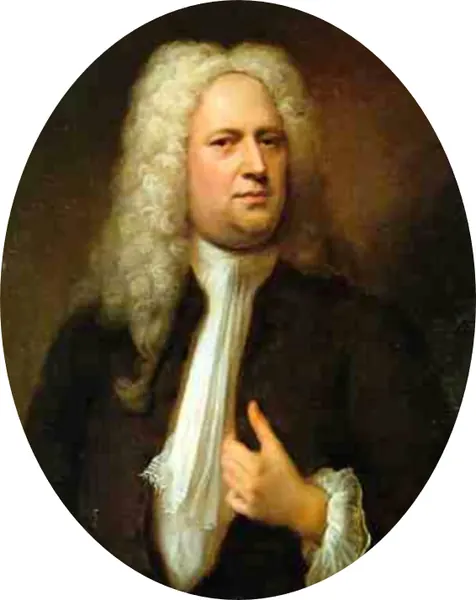
Acis and Galatea (HWV 49) is a musical work by George Frideric Handel with an English text by John Gay. The work has been variously described as a serenata, a masque, a pastoral or pastoral opera, a "little opera" (in a letter by the composer while it was being written), an entertainment and by the New Grove Dictionary of Music as an oratorio. The work was originally devised as a one-act masque which premiered in 1718. Handel later adapted the piece into a three-act serenata for the Italian opera troupe in London in 1732, which incorporated a number of songs (still in Italian) from Aci, Galatea e Polifemo, his 1708 setting of the same story to different music. He later adapted the original English work into a two-act work in 1739. Acis and Galatea was the pinnacle of pastoral opera in England. Indeed, several writers, such as musicologist Stanley Sadie, consider it the greatest pastoral opera ever composed. As is typical of the genre, Acis and Galatea was written as a courtly entertainment about the simplicity of rural life and contains significant quantities of wit and self-parody. The secondary characters, Polyphemus and Damon, provide humour without diminishing the pathos of the tragedy of the primary characters, Acis and Galatea. The music of the first act is both elegant and sensual, while the final act takes on a more melancholy and plaintive tone. The opera was significantly influenced by the pastoral operas presented at the Theatre Royal, Drury Lane during the early 18th century. Reinhard Keiser and Henry Purcell also served as influences, but overall the conception and execution of the work is wholly individual to Handel. Acis and Galatea was by far Handel's most popular dramatic work and is his only stage work never to have left the opera repertory. The opera has been adapted numerous times since its premiere, with a notable arrangement being made by Wolfgang Amadeus Mozart in 1788. Handel never gave the work in the form in which it is generally heard today, since it contains music which, while by Handel, was never added by him.
Licença do texto: CC BY-SA 4.0 · Fonte
Detalhes
- Tipo
- Livro
- Lançamento
- 1 de janeiro de 1718
Capa: Wikimedia Commons · Balthasar Denner · Public domain · Fonte
