Entrée d'Espagne
Nota da comunidade
11 avaliações
Médias por categoria
Sua avaliação
Entre para avaliarSinopse
Ainda não disponível em português — exibindo a versão em inglês.
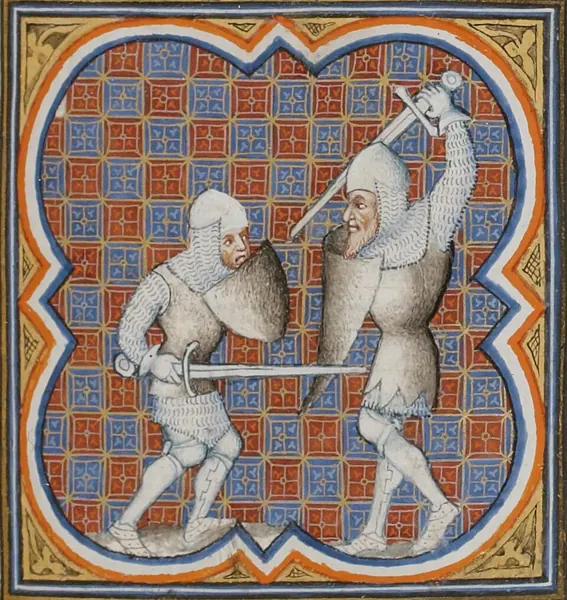
Entrée d'Espagne or L'Entrée d'Espagne or Entrée en Espagne (English: "Entry to Spain" or "Entering Spain") is a 14th-century (c. 1320) Franco-Venetian chanson de geste. The author is thought to be from Padua. The work has survived in only one manuscript, today in the Biblioteca Marciana in Venice. Based on material from the Pseudo-Turpin Chronicle (Historia Caroli Magni, Book IV of the Codex Calixtinus, a Latin chronicle concerning the feats of Charlemagne from the middle of the 12th century) and several other sources, the epic poem (around 16,000 verses extant, out of an original 20,000) tells of Charlemagne's battles in Spain and the adventures of the paladin Roland. The poem is notable for transforming the character of Roland into a knight errant, similar to heroes from the Arthurian romances, and was thus a precursor to the portrayal of Orlando/Roland in the Italian romantic epics, such as Morgante (Luigi Pulci), Orlando Innamorato (Matteo Maria Boiardo) and Orlando Furioso (Ludovico Ariosto).
Licença do texto: CC BY-SA 4.0 · Fonte
Detalhes
- Tipo
- Livro
- Gêneros
- epic poem, chanson de geste
- Países
- France, Italy
Capa: Wikimedia Commons · Desconocido (unknown) · Public domain · Fonte
