Etz Chaim
Nota da comunidade
15 avaliações
Hayyim ben Joseph Vital
Médias por categoria
Sua avaliação
Entre para avaliarSinopse
Ainda não disponível em português — exibindo a versão em inglês.
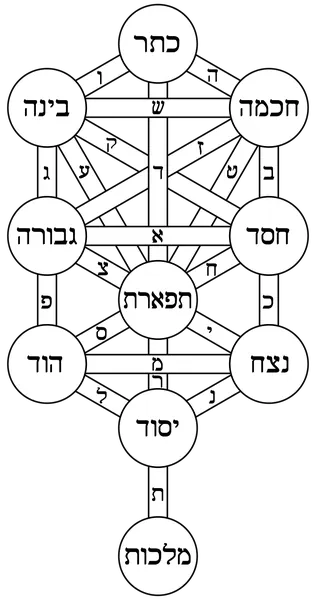
Etz Chaim (Hebrew: עץ חיים, "Tree of Life") is a literary work that deals with the Kabbalah. Written in 1573, the book summarises the teachings of Isaac Luria—the Arizal (1534–1572)—a rabbi and kabbalist who led a study group on Kabbalah in the city of Safed, in Ottoman Palestine. Luria did not publish any works of his own. Etz Chaim was compiled by his student and disciple, Chaim Vital, who wrote down the lessons taught by Luria to his study group on Kabbalah. The book talks about the divine order and the existence of things, and deals with revelation and the perception of reality by human beings. The book is named after the author, Chaim vital, and because the Tree of Life in the Book of Genesis kabbalisticaly symbolizes the secrets of the Torah, as opposed to the tree of knowledge which symbolizes the revealed parts of the Torah. The book marks the beginning of the school of thought known as the Lurianic Kabbalah. Before Luria, Kabbalists revealed the development of reality from its origin to our world (from the understandable light). According to Rabbi Chaim Vital, Luria discovered a method to better understand this reality.
Licença do texto: CC BY-SA 4.0 · Fonte
Detalhes
- Tipo
- Livro
- Criado por
- Hayyim ben Joseph Vital
Capa: Wikimedia Commons · User:AnonMoos · Public domain · Fonte
