Médias por categoria
Sua avaliação
Entre para avaliarSinopse
Ainda não disponível em português — exibindo a versão em inglês.
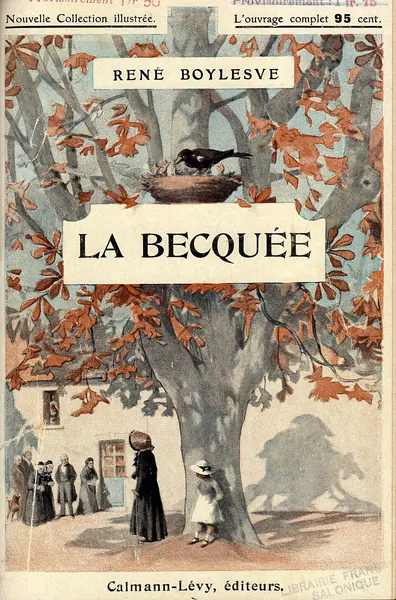
La Becquée (French pronunciation: [la bɛke]) by René Boylesve is a novel of manners in the French tradition. The novel is largely autobiographical and was first published in book form in 1901, following its serialization the previous year. The narrator, a young child, provides a detailed account of the lives and occasionally complex relationships of members of a family gathered around his great-aunt Félicie on a vast estate in southern Touraine during the post-Franco-Prussian War period of 1870. The elderly woman's entourage exploits her hospitality, receiving "la becquée" (handouts) in the form of lodging, sustenance, and other benefits. The aunt willingly supports this arrangement, despite her awareness of her own deteriorating health and impending demise. She perceives that her relatives' emotional response to this imminent loss is less profound than their practical concerns. Félicie instills in young Riquet a deep appreciation for the land that sustains them and equips him with the knowledge and skills to manage the estate, with the hope of ensuring its continued prosperity after his adulthood. The regional and realistic setting of the work ultimately holds little significance, as the novel could be set in any region. The setting provides the author with an opportunity to explore character studies, with Aunt Félicie as the central figure, who lives solely by and for her land. Additionally, the book offers an analysis, which is occasionally satirical, of the morals of the petite bourgeoisie of the time. The choice of a five-year-old child as the narrator, who describes without interpreting, provides greater depth to this study and encourages the reader to take on a more active role. A sequel to the novel, entitled L'Enfant à la balustrade, was published in 1903.
Licença do texto: CC BY-SA 4.0 · Fonte
Detalhes
- Tipo
- Livro
- Lançamento
- 1 de janeiro de 1901
- Gêneros
- novel of manners
- Criado por
- René Boylesve
Capa: Wikimedia Commons · Adolphe Gumery (scan realisé par Joël Thibault) · Public domain · Fonte
